
Laser Hair Removal Aftercare Tips
Laser hair removal is one of the most effective ways to reduce unwanted hair and enjoy smoother skin long term. The treatment itself is quick and relatively comfortable, but what you do after your appointment plays a huge role in your results.
Proper laser hair removal aftercare helps your skin heal, reduces irritation, and ensures you get the best outcome from each session.
What to Expect After Laser Hair Removal
Right after your treatment, it is completely normal to notice some redness, sensitivity, or slight swelling in the treated area. It can feel similar to a mild sunburn and usually settles within a few hours to a couple of days.
Your skin is more sensitive during this time, which is why aftercare is so important.
Why Aftercare Matters
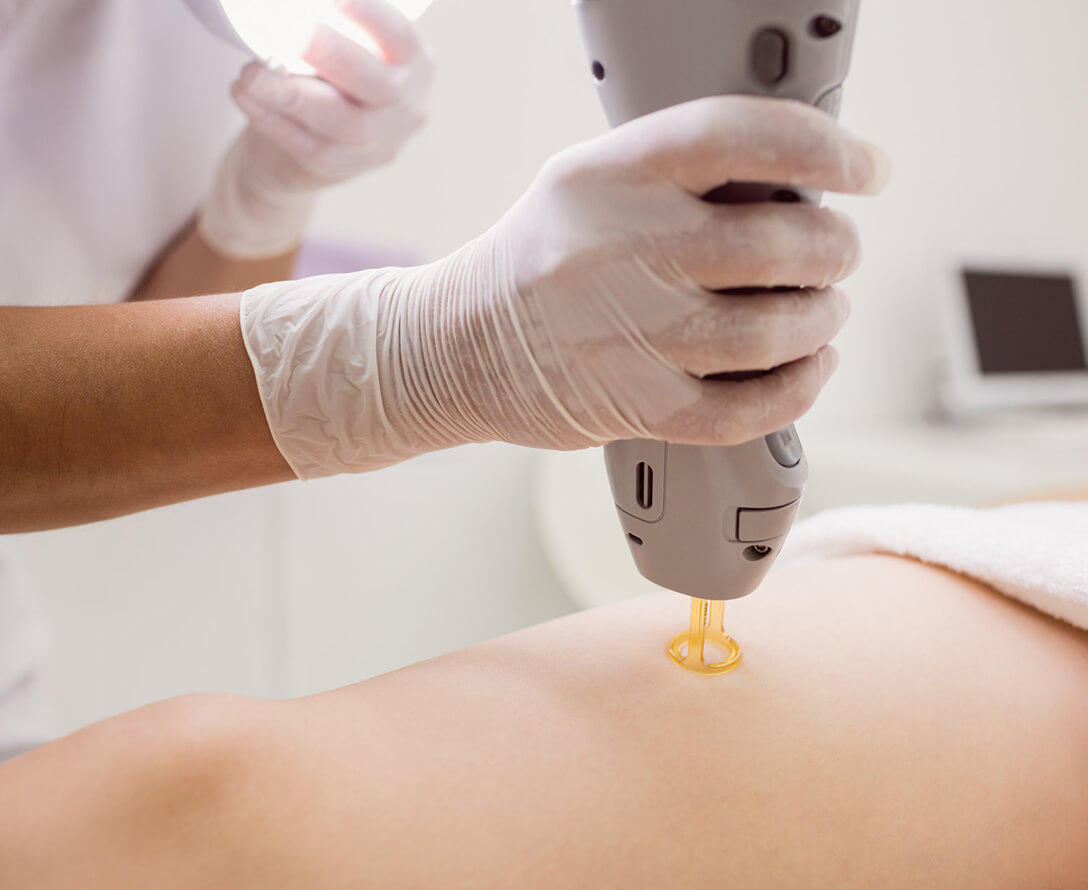
Laser hair removal works by targeting the hair follicles with heat. After treatment, your skin needs time to recover and calm down.
Good aftercare helps to:
- Reduce redness and irritation
- Prevent complications like pigmentation changes
- Support better, longer-lasting results
Even small habits can make a big difference in how your skin responds.
Essential Laser Hair Removal Aftercare Tips
Avoid Sun Exposure
One of the most important rules is to stay out of direct sunlight. Your skin is more vulnerable after treatment, and UV exposure can lead to irritation or pigmentation issues.
If you do go outside, apply sunscreen and keep the treated area protected.
Keep the Skin Cool
Heat can make irritation worse. Avoid hot showers, saunas, steam rooms, and intense workouts for at least 24 to 48 hours.
A cool compress can help soothe the area and reduce swelling or discomfort.
Skip Harsh Products
After treatment, your skin barrier is more sensitive. Avoid exfoliants, retinol, or strongly scented skincare products.
Stick to gentle, fragrance-free products until your skin fully settles.
Wear Loose Clothing
Tight clothing can rub against treated areas and cause irritation. Loose, breathable fabrics help your skin recover comfortably.
Avoid Sweating and Workouts
Sweat can irritate the skin and increase sensitivity. Give your body at least a day or two before returning to intense exercise.
Do Not Pick or Scratch
You may notice mild bumps or sensitivity. Avoid touching or picking the area to prevent irritation.
Keep Your Skin Hydrated
A gentle moisturizer can help calm the skin and support healing.
Be Patient With Shedding
A few days after treatment, hair may start to shed naturally from the follicle. This is a normal part of the process.
Avoid waxing or plucking. Shaving is usually fine once the skin is no longer sensitive.
Common Mistakes to Avoid After Laser Hair Removal
- Taking hot showers too soon
- Using harsh skincare products
- Exposing skin to the sun without protection
- Exercising too early
- Picking at the treated area
Avoiding these helps ensure smoother healing and better results.
When to Contact Your Skin Specialist
Mild redness and sensitivity are normal. However, if you notice anything unusual, like prolonged irritation or discomfort, it is best to reach out to your skin care specialist.
Laser hair removal is very safe when proper aftercare is followed.
Smooth Skin Starts with the Right Care
Want Better Results From Your Laser Hair Removal Treatments?
At EverYoung, we offer advanced laser hair removal treatments designed for safe, effective, and long-lasting results. Our team also guides you through proper aftercare so your skin heals comfortably and your results last longer.
Visit us at one of our convenient locations in Downtown Vancouver, Metrotown Burnaby, North Vancouver, or Port Coquitlam and book your consultation today to start your journey to smoother, hair-free skin.
Laser Hair Removal Aftercare FAQs
Answers to your most common questions
Here you will find helpful answers about what to expect after laser hair removal, how to care for your skin, and how to get the best possible results from your treatments.