
Botox for Bunny Lines: How It Works
When you smile, laugh or scrunch your nose, you might notice little wrinkles appearing along the sides of your nose. These are called bunny lines.
They’re completely normal, and plenty of people have them. Some only notice them when making certain expressions, while others find that the lines remain visible even when their face is relaxed.
If these wrinkles bother you, Botox may help soften their appearance without changing the way the rest of your face looks.
Here’s what you should know before considering treatment.
What Exactly Are Bunny Lines?
Bunny lines are small diagonal wrinkles that appear on either side of the nose, usually near the bridge.
They get their name from the way a rabbit’s nose moves when it twitches.
These lines form when the muscles around your nose contract during facial expressions. One of the main muscles involved is called the nasalis muscle.
Over time, repeated movements and natural changes in skin elasticity can make these wrinkles more noticeable.
Some people develop bunny lines earlier than others. Genetics, facial expressions and skin condition all play a role.
How Does Botox Treat Bunny Lines?
Botox is a neuromodulator that temporarily reduces muscle activity.
When injected into specific areas around the nose, it relaxes the muscles responsible for creating bunny lines. As the muscles move less forcefully, the overlying skin doesn’t fold as deeply.
The treatment doesn’t fill wrinkles or add volume. Instead, it addresses the muscle movements that cause them.
Because bunny lines involve relatively small muscles, the treatment usually requires only a small amount of product.
The exact dosage and injection points depend on your facial anatomy and how your muscles move.
What Happens During the Appointment?
Bunny line Botox is generally a quick procedure.
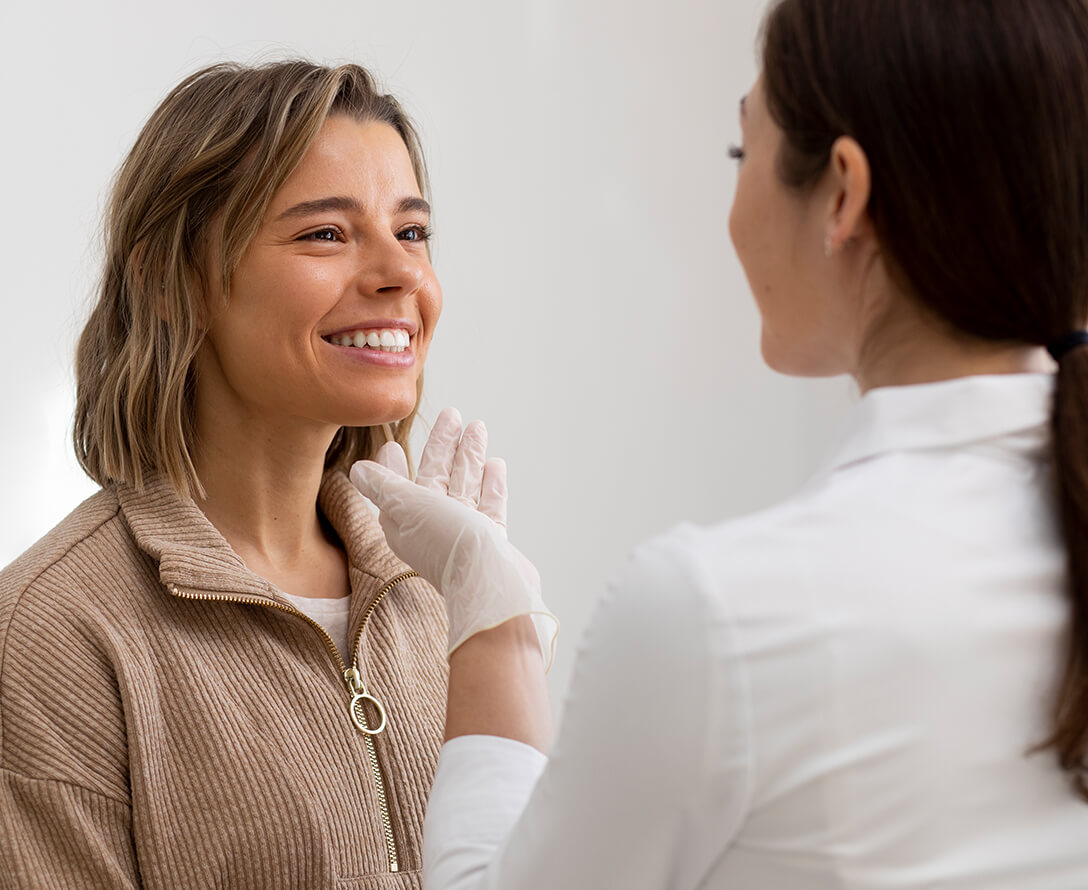
Your provider will first examine your facial expressions and ask you to scrunch your nose. This helps identify the muscles creating the wrinkles.
After discussing your goals, they may place small injections on either side of your nose using a fine needle.
Most people describe the sensation as a quick pinch. The injections themselves usually take only a few minutes.
You can generally return to normal daily activities afterward, although your provider may recommend avoiding rubbing the treated area or strenuous exercise for a short period.
How Long Does Botox Take to Work?
Don’t expect the wrinkles to disappear immediately after your appointment.
You may begin noticing changes within three to five days, with the full effect generally developing within about two weeks.
The results often last around three to four months, although this varies between individuals.
As the Botox gradually wears off, normal muscle movement returns and bunny lines may become noticeable again.
Some patients choose regular maintenance treatments, while others prefer occasional appointments.
Will Botox Make My Nose Look Different?
When performed carefully, bunny line Botox is intended to soften wrinkles while preserving natural facial expressions.
It shouldn’t dramatically change the shape of your nose.
However, the muscles around the nose also interact with nearby facial movements. Poor injection placement or excessive dosing can sometimes affect your smile or upper lip movement.
That’s why choosing an experienced medical injector matters, even for a small treatment area.
Can Bunny Lines Be Treated Alongside Other Wrinkles?
Yes. Some people consider bunny line Botox when they’re already receiving treatment for forehead lines, frown lines or crow’s feet.
Others notice bunny lines more after treating nearby facial muscles because their expressions change slightly.
That doesn’t automatically mean you need additional injections.
A qualified provider can assess your facial movements and recommend a balanced approach rather than treating every visible line.
Is Bunny Line Botox Right for Everyone?
Botox works best on wrinkles caused by muscle movement.
If your lines remain visible when your face is completely relaxed, Botox may soften them, but it might not remove them entirely.
Temporary redness, swelling or bruising can occur after injections. Less commonly, unwanted changes in nearby muscle movement may happen.
Botox may not be suitable during pregnancy or breastfeeding, or for people with certain medical conditions. Your provider should review your health history before treatment.
So, Should You Treat Your Bunny Lines?
Bunny lines aren’t something you need to fix. They’re simply part of how your face moves.
But if you’d prefer a smoother appearance around your nose, Botox can be a relatively quick, non-surgical option.
The key is keeping the treatment subtle and choosing a provider who understands facial anatomy.
Explore Botox Treatments at EverYoung Skin Clinic
Thinking about Botox for bunny lines or other expression wrinkles? EverYoung Skin Clinic offers personalized Botox consultations and treatments focused on natural-looking results.
We welcome patients at our four locations in Downtown Vancouver, Burnaby Metrotown, North Vancouver and Port Coquitlam. Book a consultation to discuss your concerns and learn whether Botox is the right option for you.