Microdermabrasion & Chemical Peels Differences | EverYoung Skin Clinic

Differences Between Microdermabrasion & Chemical Peels

Healthy, glowing skin starts with the right skincare treatment. If you’re looking to improve your complexion, reduce fine lines, or treat acne scars, you’ve probably come across two popular options: microdermabrasion and chemical peels.

While both treatments exfoliate the skin and improve its appearance, they work in different ways and are designed to address different skin concerns. Understanding the differences can help you choose the treatment that best suits your skin and goals.

In this guide, we’ll explain how each treatment works, its benefits, and how to decide which one may be right for you.

What Is Microdermabrasion?

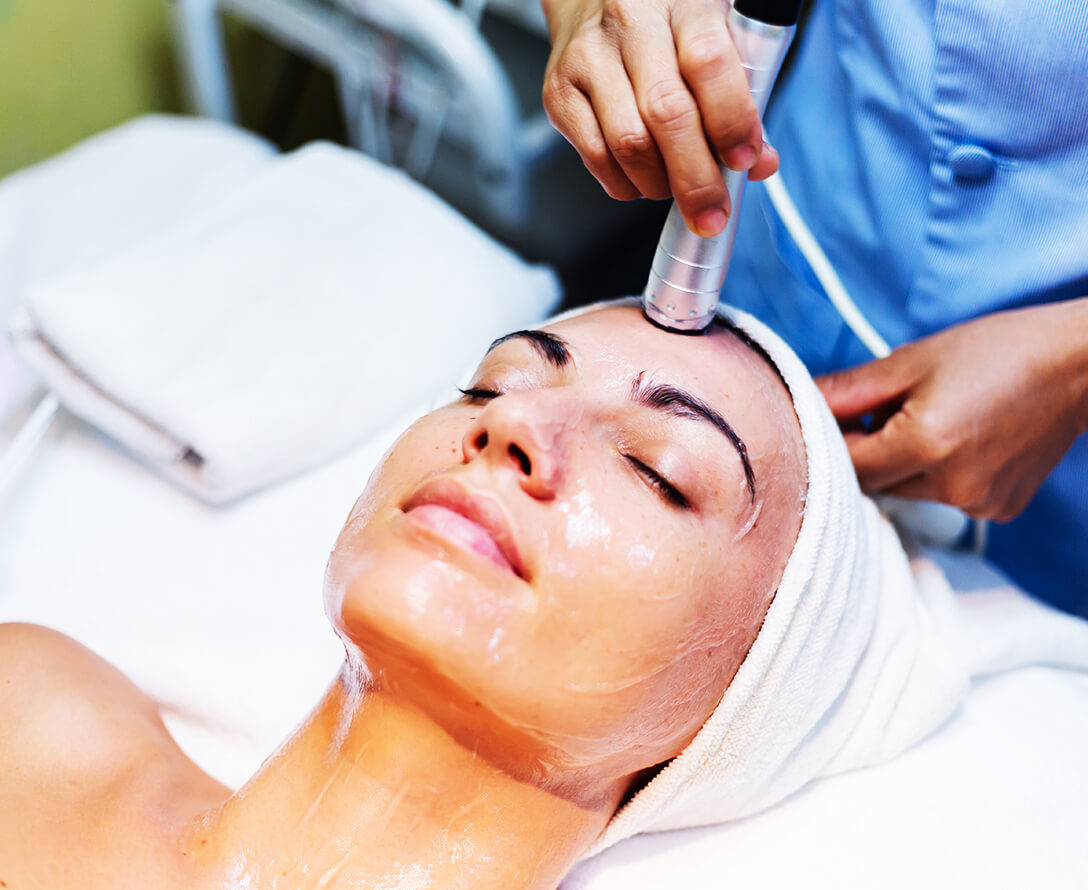
Microdermabrasion is a non-invasive skin resurfacing treatment that gently removes the outer layer of dead skin cells using a specialized device. This process encourages healthy skin renewal and leaves your skin looking brighter and feeling smoother.

The treatment is comfortable, requires little to no downtime, and is suitable for most skin types.

What Is a Chemical Peel?

A chemical peel uses a specially formulated solution that is applied to the skin. The solution gently exfoliates the outer layers of skin, allowing fresh, healthier skin to appear as it heals.

Chemical peels come in different strengths, from light peels with little downtime to deeper peels that target more advanced skin concerns.

Benefits of Microdermabrasion

Gentle on the Skin

Microdermabrasion is an excellent option for people looking for a gentle treatment with minimal recovery time.

Instantly Brighter Skin

Many people notice smoother, fresher-looking skin immediately after their first treatment.

Improves Skin Texture

Regular treatments can reduce rough skin, enlarged pores, and mild acne scars while creating a more even complexion.

No Downtime

Most people can return to work or daily activities immediately after treatment.

Great for Regular Skin Maintenance

Because it’s gentle, microdermabrasion is often used as part of an ongoing skincare routine to maintain healthy skin year-round.

Benefits of Chemical Peels

Targets Multiple Skin Concerns

Chemical peels can improve acne, acne scars, pigmentation, sun damage, fine lines, and uneven skin tone.

Stimulates Skin Renewal

As the old skin sheds, new skin cells replace it, revealing healthier-looking skin underneath.

Can Be Customized

Different peel strengths allow your provider to tailor the treatment to your skin type and goals.

Improves Skin Tone

Chemical peels help reduce discoloration and create a more even skin complexion over time.

Long-Term Skin Rejuvenation

A series of chemical peels can help improve overall skin quality and encourage collagen production.

What’s the Difference Between Them?

Although both treatments exfoliate the skin, they work differently.

Microdermabrasion uses physical exfoliation to gently polish away dead skin cells from the surface. It is best suited for people who want brighter skin, smoother texture, and regular maintenance without downtime.

Chemical peels use specially formulated acids to exfoliate deeper layers of the skin. Depending on the strength of the peel, they can address more advanced concerns such as pigmentation, acne scars, and signs of aging.

One treatment isn’t necessarily better than the other; it simply depends on your skin goals.

Which Treatment Is Right for Your Skin?

If your goal is smoother, brighter skin with little recovery time, microdermabrasion may be the better option.

If you’re looking to improve acne scars, pigmentation, sun damage, or deeper skin concerns, a chemical peel may provide better results.

The best way to choose the right treatment is to schedule a consultation with an experienced skincare professional. They can assess your skin and recommend the treatment that will deliver the best outcome.

Healthy Skin Starts with the Right Treatment at EverYoung Skin Clinic

Both microdermabrasion and chemical peels are effective skin rejuvenation treatments that can improve your complexion and help you feel more confident.

The right choice depends on your skin type, concerns, and long-term goals. With professional guidance, you can select the treatment that’s best suited to your unique needs and enjoy healthier, brighter-looking skin.

Discover Healthier, Brighter Skin at EverYoung Today

At EverYoung Laser and Skin Clinic, we offer both Microdermabrasion and Chemical Peel treatments at our convenient locations in Downtown Vancouver, Burnaby Metrotown, North Vancouver (Lower Lonsdale), and Port Coquitlam.

Our experienced medical team will assess your skin and recommend the treatment that’s right for your goals. Book your consultation today and take the next step toward healthier, smoother, and more radiant skin.


Common Questions About Chemical Peels

Find answers to the most frequently asked questions about chemical peels, including treatment types, downtime, aftercare, and expected results.

Peels are primarily composed of high quality, naturally derived acids. These substances, which include Alpha Hydroxy Acids (AHAs), are sourced from plants and fruits such as apples, grapes, citrus, and sugar cane. Once the solution has been applied to the skin for a set period of time, the acidity is balanced out by adding a neutralizing supplement.

Chemical peels take effect by causing the skin to blister in a well-controlled fashion. Following the procedure, patients experience light erythema (skin reddening), with skin gradually peeling over the subsequent days. Once this peeling process has finished, improvements will be immediately apparent. In the 4-6 weeks that follow the procedure, this positive trend will only continue until the patient is left with a fresh, radiant appearance.

Chemical Peels produce positive and immediate effects for those with fair skin. Patients with dark, olive, or Asian skin can still benefit from a chemical peel, but the depth and strength must be adjusted to avoid the risk of hyperpigmentation. At EverYoung, our dermal physicians will conduct a thorough skin analysis to ensure both safety and results for our patients.

Keeping skin protected from the sun is a critical component in maintaining your results. Apply a full spectrum (UVA and UVB) sunscreen daily to prevent new damage from occurring.

After a chemical peel, restrictions often include avoiding sun exposure, using gentle skincare products, and refraining from picking or peeling the treated skin to ensure proper healing and optimal results.

Before a chemical peel, it’s advisable to avoid using retinoids, undergoing excessive sun exposure, and certain medications to reduce the risk of complications and enhance the effectiveness of the peel.

The waiting time after a chemical peel varies depending on the depth of the peel; for a superficial peel, you may resume regular activities immediately, while medium to deep peels may require a few days to a week of downtime.

The frequency of chemical peels depends on the type and strength of the peel, but a safe interval is typically every 4 to 6 weeks for superficial peels and several months for deeper peels to allow proper skin healing.

Exposure to the sun after a chemical peel can increase the risk of pigmentation changes, sunburn, and complications, so it’s crucial to use sun protection and avoid direct sunlight during the healing period.

No, picking or peeling the skin after a chemical peel is strongly discouraged as it can lead to scarring, infection, and hinder the proper healing process.

The duration of results from a chemical peel varies depending on the type and depth of the peel, with superficial peels lasting a few weeks to months and deeper peels providing longer-lasting effects, potentially several years.

The number of sessions for a chemical peel depends on individual skin concerns and the type of peel used, with some people achieving desired results after a single session, while others may benefit from a series of treatments spaced several weeks apart.

If you don’t moisturize after a chemical peel, the skin may become dry, flaky, and more prone to irritation, potentially prolonging the healing process and affecting the overall outcome.

After a chemical peel, it’s essential to avoid products containing harsh or abrasive ingredients, retinoids, and excessive sun exposure to prevent irritation and support proper skin healing.

Leaving a chemical peel on for too long can lead to excessive skin irritation, redness, peeling, and potentially increase the risk of complications, emphasizing the importance of following the recommended application time.

Washing your face after a chemical peel, especially with a gentle cleanser, is usually recommended to remove any residual peel solution and promote skin healing, but vigorous scrubbing or harsh products should be avoided to prevent irritation.

Chemical peels can be performed on sensitive skin, but it’s crucial to use mild peels, follow proper pre-and post-care routines, and consult with a skincare professional to minimize the risk of adverse reactions.

Chemical peels provide temporary improvements in skin texture, tone, and issues like pigmentation, and their effects are not permanent, requiring periodic treatments for sustained benefits.

After a chemical peel, it’s generally advisable to limit face washing to twice a day using a gentle cleanser to avoid over-cleansing and irritation while the skin is in the healing process.

Chemical peels carry risks such as skin irritation, pigmentation changes, and infection, with severity depending on the peel’s depth and individual skin sensitivity.