
PicoSure vs. IPL – Which Is Better for Pigmentation?
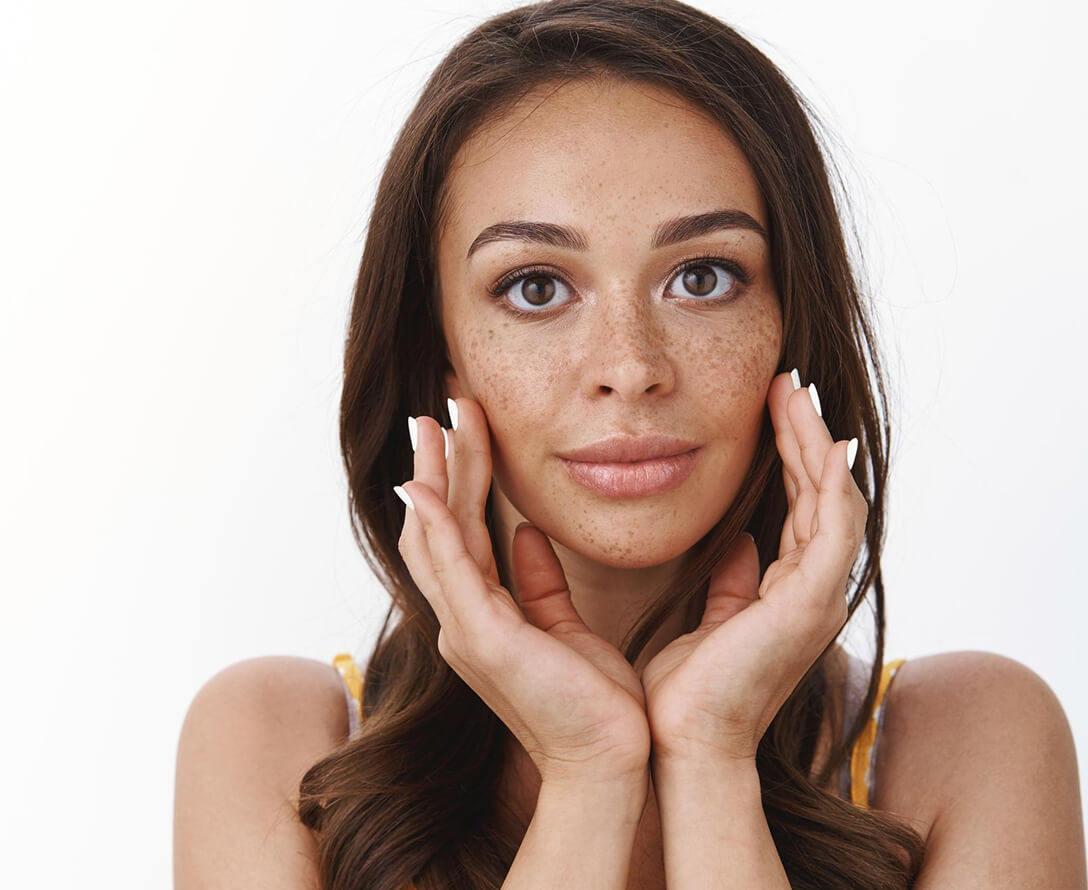
Dark spots, freckles, and uneven skin tone can be difficult to manage, especially when skincare products don’t seem to make much of a difference. While serums and creams can help with certain pigmentation concerns, some people turn to professional treatments for more noticeable improvement.
Two options you may come across are PicoSure laser treatments and IPL photofacials.
Both can address certain types of pigmentation, but they work differently and aren’t suitable for everyone.
If you’re trying to decide between PicoSure and IPL, understanding these differences can help you have a more informed conversation with your skincare provider.
What Is PicoSure Laser Treatment?
PicoSure is a laser technology that delivers extremely short pulses of energy, measured in picoseconds, into targeted areas of the skin.
These pulses create a photoacoustic effect that helps break pigment into smaller particles, which the body can gradually clear.
Unlike traditional lasers that rely more heavily on heat, PicoSure uses very short bursts of energy to target pigmentation while limiting the duration of heat exposure.
PicoSure may be used to address concerns such as freckles, certain sunspots, and uneven pigmentation. Depending on the treatment settings, it may also help improve skin texture and the appearance of fine lines.
However, not every type of pigmentation responds the same way, and treatment can still cause side effects.
What Is IPL Photofacial Treatment?
IPL stands for Intense Pulsed Light. Unlike PicoSure, which uses a laser, IPL delivers broad-spectrum light containing multiple wavelengths.
The light is absorbed by specific targets in the skin, including excess pigment and hemoglobin in blood vessels.
This makes IPL useful for addressing several concerns during the same treatment, particularly sun-related pigmentation and certain types of facial redness.
IPL photofacials are commonly used for:
- Sunspots and age spots
- Freckles caused by sun exposure
- Uneven skin tone
- Certain types of facial redness
- Visible superficial blood vessels
One advantage of IPL is its ability to treat broader areas of skin rather than focusing exclusively on individual spots.
What’s the Main Difference Between PicoSure and IPL?
The biggest difference is how each technology delivers energy into the skin.
PicoSure uses ultra-short laser pulses to target pigment. IPL uses broad-spectrum light, making it useful for certain pigmentation and vascular concerns.
Here’s a closer comparison.
PicoSure
- Picosecond laser technology
- Targets selected pigment concerns
- May improve skin texture
- Can be considered for selected skin tones
- May require multiple sessions
IPL
- Broad-spectrum pulsed light
- Targets pigment and certain blood vessels
- Often used for sun damage and redness
- Generally requires more caution with darker skin tones
- May require multiple sessions
Neither treatment is automatically better. The right choice depends on what is causing your pigmentation.
Which Treatment Is Better for Sunspots?
For common sunspots caused by UV exposure, both PicoSure and IPL may be effective options.
IPL is often considered when someone has multiple sunspots spread across the face, particularly if redness is also a concern.
PicoSure may be recommended for more targeted pigmentation concerns or when the practitioner believes laser treatment is better suited to the patient’s skin.
The number of sessions required depends on the type and extent of pigmentation, treatment settings, and individual response.
What About Melasma?
Melasma requires a different approach.
Unlike ordinary sunspots, melasma is influenced by hormonal factors and can be aggravated by sunlight, visible light, and inflammation.
Although certain laser treatments may be used for carefully selected patients, both PicoSure and IPL carry a risk of worsening melasma or triggering additional pigmentation.
For many people, topical treatments and consistent sun protection are preferred first-line options.
This is why getting a proper diagnosis before booking a pigmentation procedure is so important.
Is PicoSure or IPL Better for Darker Skin Tones?
Skin tone is an important consideration when choosing any light-based pigmentation treatment.
IPL generally carries a greater risk of burns or unwanted pigmentation changes in darker skin tones because more energy may be absorbed by melanin in the surrounding skin.
Certain PicoSure treatment approaches may be suitable for a broader range of skin tones, but this depends on the wavelength, settings, and experience of the provider.
Neither procedure is completely risk-free. A qualified practitioner should assess your skin before recommending treatment.
What Should You Expect After Treatment?
Both PicoSure and IPL are generally performed as outpatient procedures, and recovery depends on the intensity of treatment.
Temporary redness, swelling, and darkening of treated pigment can occur. Some spots may appear darker before gradually fading.
Less commonly, burns, blistering, scarring, or changes in skin pigmentation may develop.
Avoiding excessive sun exposure and following your provider’s aftercare instructions are important for recovery.
So, Which Treatment Should You Choose?
If you’re dealing with widespread sun damage and facial redness, IPL may be worth considering. If your main concern is targeted pigmentation or certain textural changes, PicoSure might be a better fit.
However, the decision shouldn’t be based on technology alone.
Your skin tone, medical history, pigmentation type, and treatment goals all influence which option is most appropriate.
At EverYoung Skin & Laser Clinics, a professional skin consultation can help determine whether PicoSure, IPL, or another approach is suitable for your concerns.
Find the Right Pigmentation Treatment at EverYoung
Ready to address stubborn dark spots and uneven skin tone? EverYoung Skin & Laser Clinics offers PicoSure laser treatments and IPL photofacials to help improve the appearance of selected pigmentation concerns.
Our team can recommend an approach based on your skin’s needs. Visit us in Downtown Vancouver, Metrotown Burnaby, Lower Lonsdale in North Vancouver, or Port Coquitlam to book your personalized skin consultation.