
Thermage vs. Ultherapy – Which Is Better for Skin Tightening?
Noticing loose skin around your jawline, neck or cheeks? It’s a common part of aging, but not everyone is ready to consider surgery.
Two popular non-surgical options are Thermage and Ultherapy. Both treatments are designed to improve skin firmness by encouraging collagen production, but they use different technologies and work at different depths.
If you’re trying to decide between them, understanding these differences can make the choice easier.
What Is Thermage?
Thermage is a non-invasive skin tightening treatment that uses radiofrequency energy to heat deeper layers of the skin.
This controlled heating stimulates collagen remodelling and encourages the production of new collagen over time.
Collagen is the protein that helps keep your skin firm and supported. As we get older, collagen production naturally decreases, which can contribute to wrinkles and sagging.
Thermage is commonly used to improve skin firmness and texture in areas such as the face, around the eyes and certain parts of the body.
It’s often considered by people who want subtle tightening without surgery or significant recovery time.
What Is Ultherapy?
Ultherapy also stimulates collagen production, but instead of radiofrequency energy, it uses focused ultrasound.
The ultrasound energy reaches specific depths beneath the skin, including deeper supporting tissue layers.
Ultherapy uses ultrasound imaging to help the provider visualize treatment areas and deliver energy at appropriate depths.
It’s commonly used for mild to moderate skin laxity around the brows, beneath the chin and along the neck. Certain systems are also used to improve lines on the upper chest.
The goal is gradual lifting and tightening rather than an immediate or dramatic transformation.
Thermage vs. Ultherapy: What’s the Main Difference?
The biggest difference is the type of energy used and where that energy is delivered.
Thermage uses radiofrequency energy. It heats tissue to encourage collagen remodeling and improve overall skin firmness.
Ultherapy uses focused ultrasound energy. It targets specific depths to stimulate collagen and provide a lifting effect in suitable areas.
Because the technologies work differently, one treatment may be more appropriate depending on your skin condition and treatment goals.
For example, someone concerned about general skin firmness may benefit from Thermage, while someone looking to address mild sagging beneath the chin or around the brows may be a candidate for Ultherapy.
However, these aren’t strict rules. Your facial anatomy and degree of skin laxity matter more than choosing a treatment based on its name.
Which Treatment Has Less Downtime?
Both treatments are generally considered non-surgical options with little downtime.
After Thermage, some patients experience temporary redness, mild swelling or tenderness.
Ultherapy can also cause temporary redness, swelling or tenderness. Some people experience sensitivity or tingling in treated areas for a longer period.
Most patients can return to their usual activities relatively quickly, although individual recovery experiences vary.
Neither treatment is completely risk-free, so it’s important to discuss possible side effects and contraindications beforehand.
Does Thermage or Ultherapy Hurt More?
Comfort levels vary from person to person.
Thermage treatments often feel like repeated warming sensations, sometimes combined with brief pulses of heat.
Ultherapy may feel like warmth, tingling or deeper sensations beneath the skin as ultrasound energy is delivered.
Modern treatment systems include features designed to improve patient comfort, and your provider can discuss ways to manage discomfort.
It’s difficult to say that one treatment is always more comfortable because the experience depends on the area being treated, treatment settings and personal sensitivity.
How Long Do the Results Last?
Neither treatment produces the same immediate lifting effect as surgery.
With Thermage, some people notice early changes, but improvements generally develop gradually over several months.
Ultherapy results also develop over time as the body produces and remodels collagen, often becoming more noticeable over two to six months.
Depending on the individual, improvements from either treatment may remain visible for a year or longer.
Aging continues after treatment, so maintenance sessions may eventually be considered.
Can You Combine Thermage and Ultherapy?
In some cases, yes.
Because Thermage and Ultherapy use different energy technologies, a qualified provider may recommend both as part of a personalized treatment plan.
However, combining treatments isn’t necessary for everyone. More treatment doesn’t automatically mean better results.
The right approach depends on your skin, medical history, treatment goals and budget.
So, Which One Should You Choose?
If your main concern is improving overall skin firmness and texture, Thermage may be worth exploring.
If you’re more concerned about mild sagging around the brow, chin or neck, Ultherapy may be an appropriate option.
Neither treatment is a substitute for a surgical facelift when significant loose skin is present.
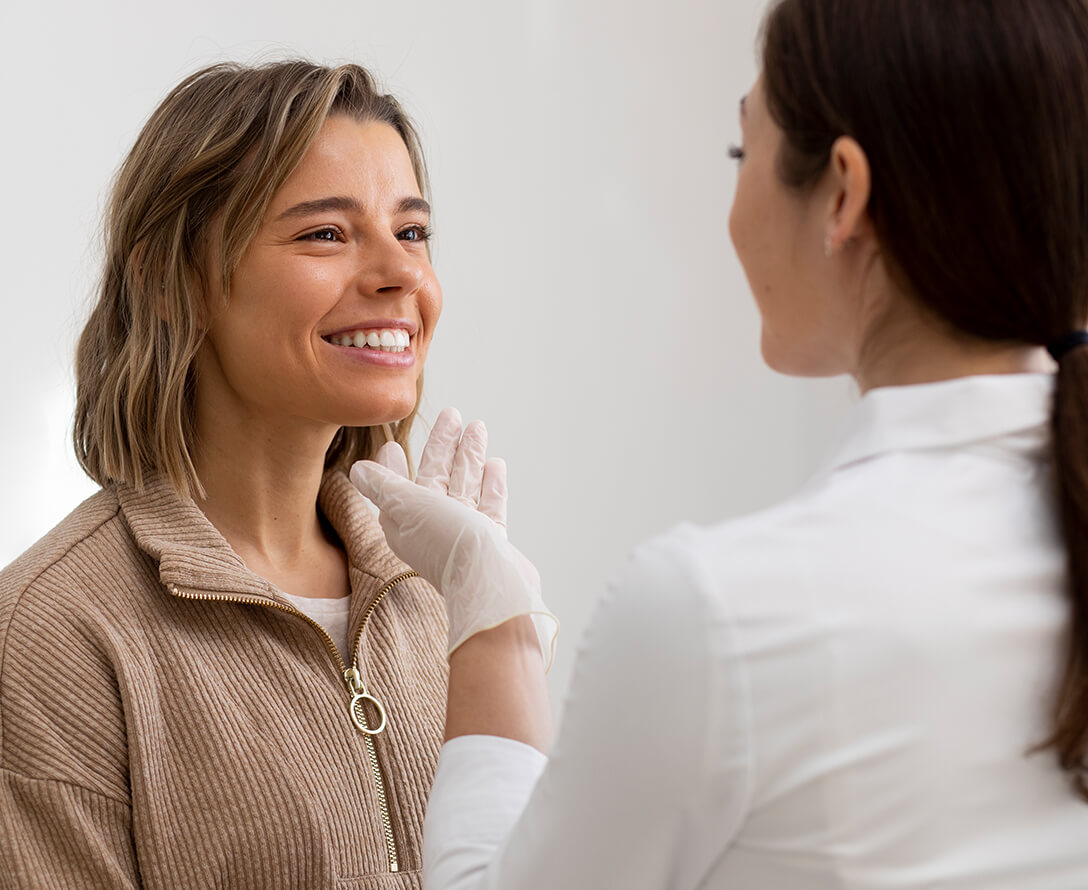
A professional consultation is the best way to determine which treatment is likely to provide realistic results for your concerns.
Explore Non-Surgical Skin Tightening at EverYoung
Interested in firmer, smoother-looking skin without surgery? EverYoung Skin Clinic offers Thermage and Ultherapy skin tightening consultations and treatments tailored to individual needs.
Connect with our team at one of our four locations in Downtown Vancouver, Burnaby Metrotown, North Vancouver and Port Coquitlam. Book a consultation to compare your options and discover which skin tightening treatment may be right for you.